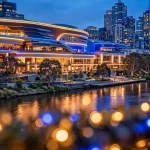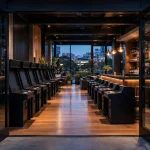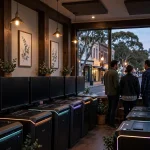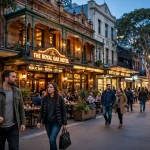
A practical guide to checking hotel arrangements, venue facilities and the details that can affect a casino visit in Tasmania.
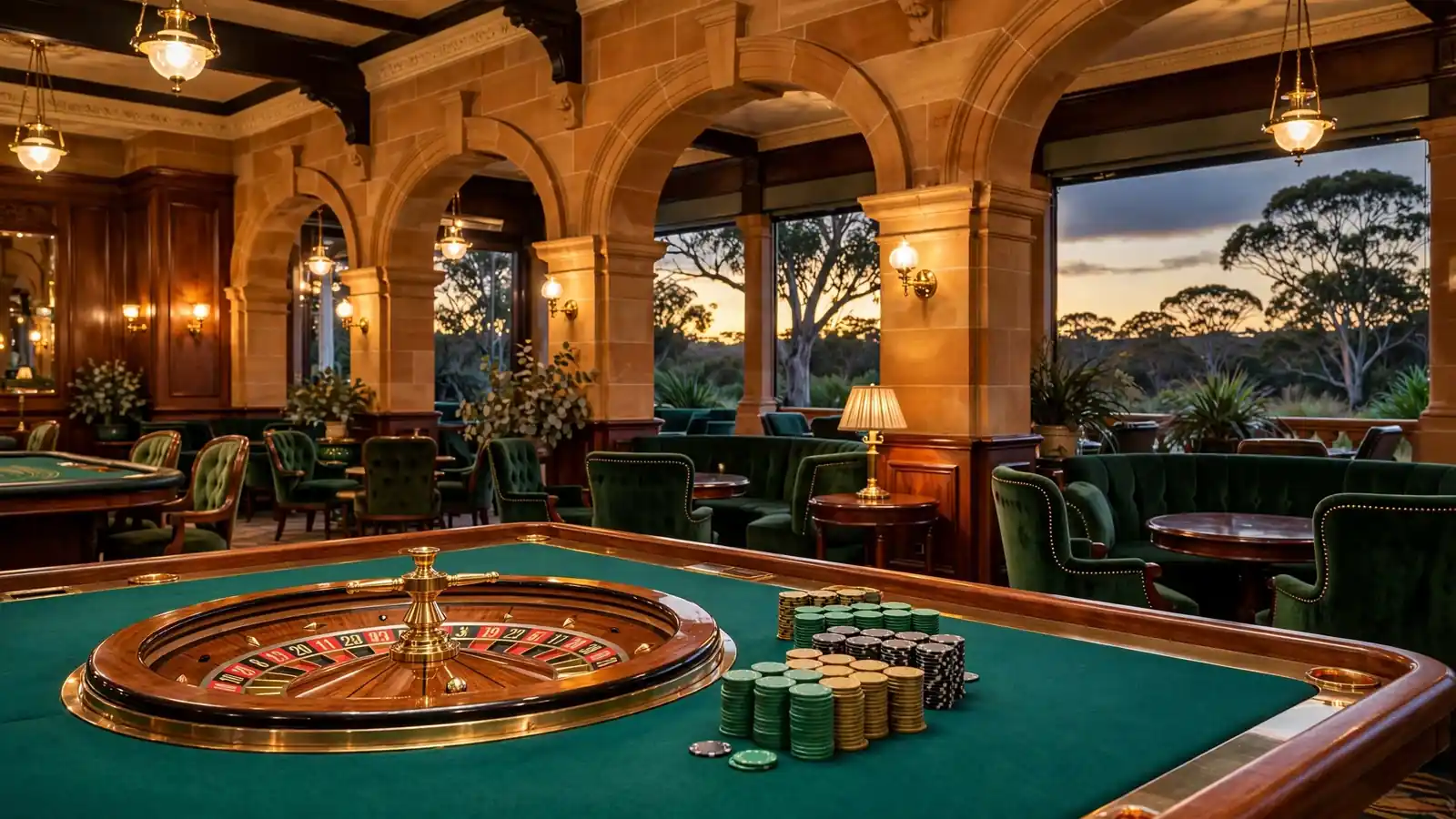
A casino hotel can mean a room in the same complex as a casino, or a hotel marketed as being close to one. Those arrangements are not interchangeable. Before comparing a Tasmania casino hotel with other stays, establish what the booking actually includes: the accommodation address, the room type, and whether the casino is on the property or requires a separate trip.
A headline deal is useful only when you can compare its inclusions with those of another rate. Read the room description and booking conditions rather than relying on labels such as “casino package” or “special offer”. Confirm whether the price is for the room alone or includes additional items, and check whether any listed inclusion has restrictions or needs to be arranged separately.
The room category matters too. Compare the bed configuration, occupancy, view or other stated features, and any accessibility details relevant to your stay. If the description is unclear, ask the hotel to confirm the exact room type before you book. A photograph may show a representative room rather than the specific category attached to your reservation.
Choosing an online casino while you’re in Tasmania means checking the details that matter to you before signing up. Use these brief profiles as a starting point and verify the terms that apply to your account.
JustCasino
JustCasino lists a licence from the Curacao Gaming Control Board. You can use that as a starting point when checking its licensing details.
Playfina Casino
Playfina Casino lists a Curacao eGaming licence held by Hollycorn N.V. since 2017. You’ll find a minimum deposit of A$20–30, depending on the offer.
LevelUp Casino
LevelUp Casino lists Curacao eGaming licence OGL/2023/174/0082, held by Dama N.V. Its minimum deposit is A$15.
Roby Casino
Roby Casino lists a Curacao eGaming licence held by Roby Games Ltd. You can check this licensing detail as part of your review.
Golden Pokies
Golden Pokies lists a Curacao licence. That is the licensing detail available here for you to consider.
MrPacho
MrPacho lists crypto payout times of 30–120 minutes and fiat payout times of 24–72 hours. Its minimum deposit is A$30.
House of Pokies
House of Pokies lists an international iGaming licence, but the jurisdiction is not named. PayID payouts are listed at 1–24 hours; the minimum deposit is A$30, or A$10 with PayID.
DragonSlots Casino
DragonSlots Casino lists a Curacao Gaming Authority licence held by Jumpman Gaming Ltd. You can use the named licence holder when reviewing its licensing information.
LuckyVibe
LuckyVibe lists Curacao Gaming Control Board licence OGL/2023/176/0095, held by Hollycorn N.V. This gives you a specific licence reference to check.
Lucky Dreams
Lucky Dreams lists a Curacao licence and a minimum deposit of A$20 when using POLi. You can consider both details when checking whether it suits you.
Check the full cost shown at checkout, not just the first price displayed. Look for taxes, service charges, deposits, cancellation conditions and payment timing in the booking terms. These details affect the actual cost and the risk of changing plans. Do not assume that two offers are equivalent because they use similar wording; compare what each rate promises and what happens if you need to cancel or amend it.
For a hotel connected to or located within a casino complex, confirm the relationship between the room and the gaming venue. A shared address does not by itself explain the route, access arrangements or whether you need to leave the building. If the accommodation is described as nearby rather than on-site, check the address and practical travel distance separately.
This distinction can affect how you plan the stay. A room on the same property may reduce the need to arrange transport between accommodation and the venue, while a separate hotel may involve additional travel. Treat those as logistical differences, not as proof that one option is better. Your preferred location depends on the rest of your trip, including where you need to be before and after the stay.
Keep the hotel comparison focused on accommodation. Room comfort, booking conditions and location can be assessed independently of the casino’s facilities. If access to the casino is part of your reason for booking, confirm the venue’s current access arrangements directly rather than assuming that a hotel reservation grants entry or any particular benefit.
When reviewing Tasmania casino hotel deals, place the rates side by side and compare the same dates, occupancy and room category. A lower displayed price may reflect different cancellation terms, fewer inclusions or a different room. If the booking site offers several rate types, read each set of conditions before deciding.
Also check check-in and check-out information, how to contact the property about a late arrival, and what identification or booking details you will need. These are practical parts of the stay, not minor details: unclear arrival arrangements can create problems even when the room itself is suitable.
Casino opening hours are a separate operational detail from hotel access. If your schedule depends on visiting the casino, verify its current hours through the venue’s own information before travelling; do not infer them from the hotel’s reception hours or from an old listing. That check helps you plan without treating a hotel booking as confirmation that every part of the complex will be available at the time you arrive.
A useful comparison therefore starts with the room and rate, then checks the physical relationship between the hotel and casino, and finally confirms the arrangements that affect your stay. That gives you a clearer basis for choosing between a casino hotel and another accommodation option without relying on vague package wording.
A poker room, a scheduled tournament and a general gaming area are different things. A poker room is a dedicated space for live poker; a tournament is an organised event with its own registration and playing conditions. Neither should be assumed to operate simply because a venue is described as a casino. Confirm directly whether poker is currently offered, whether play is cash-based or tournament-based, and what arrangements apply before making a trip.
If you are looking for a tournament, check for a current event notice rather than relying on an old listing or an undated page. An event can have its own start time, entry conditions and registration process, and those details may change. Confirm that the event is taking place on the date you plan to visit and ask whether advance registration is needed. If there is no current notice, that does not establish that a tournament is scheduled.
The phrase “casino rooms” can also mean different things. You may be asking about hotel accommodation, a private room within the venue, or a room where a particular activity takes place. Treat these as separate questions when contacting the venue: ask what kind of room you mean, whether it is available to visitors, and whether access depends on a booking or event. Hotel-room comparisons belong to a separate decision; here, the key point is to establish what space or activity you are asking about.
Facility terms such as gym and sports bar also need direct confirmation. A search result, map label or archived visitor comment may not reflect the current layout or operating status. If a gym matters to your visit, ask whether it is part of the venue, who can use it and whether access is restricted to hotel guests or members. For a sports bar, check whether the venue currently has one, what it shows and whether its hours differ from other areas. Do not assume that a sports bar is open whenever the casino is open.
For “open now” or “open today” decisions, use a current venue notice or contact channel and confirm the specific area you intend to visit. Different facilities within a venue may have different operating arrangements, and a general indication that a site is open does not confirm that poker, a gym or a bar is available at that time. If you are travelling specifically for an activity, verify it before setting out.
Make the enquiry concrete: name the activity, give your intended visit date, and ask whether it is operating and what you need to do to access it. For poker, ask whether live games or tournaments are being offered; for a room, describe the type of space; for a gym or sports bar, confirm access and current operation. This separates confirmed arrangements from assumptions based on broad venue descriptions.
Do not confuse live poker at a physical venue with online poker. Under the Interactive Gambling Act 2001, operators based in Australia cannot provide real-money online casino games, including poker, to people in Australia. That restriction concerns online services; it does not establish whether a particular physical venue has a poker room or event. Check the venue’s current information for that separate, practical detail.
An online result that mentions casino games does not establish that the service may lawfully provide them to you in Tasmania. Under the Interactive Gambling Act 2001, operators must not provide real-money online casino-style games—including pokies, poker and table games—to people physically located in Australia. An Australian-run online casino therefore cannot lawfully offer those services to players in Australia. A lawful gambling site operating in Australia must hold an applicable Australian licence; an offshore licence is not an Australian licence.
This is different from visiting a physical casino. The words “online casino” in a page title or a game name do not tell you where the operator is based, which rules apply, or whether the service is lawful for Australian customers. Do not treat an offshore platform’s availability, terms or claims about licensing as proof that it is regulated under Australian law. Offshore platforms are not regulated here, and a player is not criminally liable simply for using one; that does not make the operator’s service lawful or provide local consumer protections.
Region blocking is a technical control based on location. A platform can read your internet connection’s IP address and use it to estimate the country from which you are connecting. It may then block access from an excluded country, or restrict particular games or software providers. In practice, a blocked game may not appear in the lobby at all when you connect from an Australian IP address. If a game tile is visible but the game fails to load, a location restriction is one possible explanation; it is not proof of a device fault.
A VPN can make your connection appear to come from another country, even while you remain in Australia. That does not change your physical location or make a prohibited service lawful. Using a VPN to reach region-blocked pokies sites is against the site’s terms of service and may result in account suspension. It can also complicate account checks and attempts to resolve a payment or winnings dispute. Do not use a VPN to get around a block.
If you are considering an offshore platform, understand that it is not licensed under Australian law and has limited dispute-resolution options. If its operator becomes insolvent, your winnings may not be protected. Some operators cap weekly withdrawals at AU$4,000, which can affect a jackpot winner; read the applicable withdrawal terms rather than assuming a balance can be paid out in full. Bonus conditions may also impose substantial wagering requirements, maximum cashout limits, or terms that allow winnings to be voided.
Payment methods are not universally available, and you should not assume a method works for every customer or platform. Credit cards must not be used for online gambling services. Avoid increasing stakes to recover losses: that cannot reverse earlier results. Set a session budget based on money you can afford to lose, and stop when it is reached. Gambling is not a way to fund rent or groceries; relying on it for essential costs is an illusion, not a financial plan.
Legal Restrictions
Under the Interactive Gambling Act 2001, operators based in Australia cannot provide real-money online casino games to people physically located in Australia.
If you are comparing places to stay near a Tasmanian casino, treat “near” as a travel question, not a guarantee of a short or simple journey. A map may show distance in a straight line, while your actual route depends on the property’s entrance, road access and the transport available when you plan to travel. Check the route between the accommodation and the casino’s confirmed address before booking, then consider how you will make the return trip.
Start by deciding what matters most for your stay. A nearby room may reduce travel, while a property farther away may suit you better if its location, facilities or booking conditions fit your plans. Compare the complete cost of the stay rather than relying on a headline rate: check which charges are included, whether the quoted price applies to your dates and whether cancellation or amendment carries a cost. Availability and prices can change, so confirm them with the accommodation provider before committing.
Use the same criteria for each property so the comparison is useful. Check the address and map route, the expected journey at the times you intend to travel, and whether transport options are available for both arrival and return. If you plan to drive, ask the accommodation provider whether parking is available to guests and whether any conditions apply. Do not assume that nearby accommodation includes parking or that casino parking will be suitable for an overnight stay.
Read the room description carefully. Confirm the bed arrangement, occupancy, access requirements and facilities that matter to you; a photograph or short listing title may not answer those questions. If you need a late arrival, early departure or luggage storage, ask the property directly rather than assuming these arrangements are offered. Keep the booking confirmation and the provider’s contact details accessible in case your plans change.
Reviews can help identify practical issues, but compare comments with the details supplied by the property. Look for information relevant to your own needs, such as noise, access or the accuracy of the listing, and consider when the review was written. A past guest’s experience does not establish what will be available on your dates.
Accommodation and casino arrangements are separate decisions unless a provider clearly sets out a combined offer. Do not infer that a room price includes casino access, gaming credit, transport or any other benefit from the words “casino stay” or from the property’s location. Read the terms for each element and confirm any claimed inclusion with the business responsible for providing it.
The casino’s location, opening times and current promotions are separate details that can affect your itinerary; verify them with the venue before fixing travel plans. Do not treat a hotel listing, map result or old promotion as confirmation of current casino operations or an active accommodation deal. For a straightforward comparison, record the accommodation’s total quoted cost, cancellation conditions, route and confirmed transport or parking arrangements. This makes it easier to distinguish a genuinely suitable nearby stay from one that only appears convenient in a short listing.
Before travelling, confirm the venue’s current address and contact details through its official website or another authoritative venue listing. A search result can show an old phone number, map pin or entrance location. Use the address displayed by the venue itself, then check that the map pin leads to the public entrance you intend to use. If a listing and the venue’s own information differ, contact the venue before setting out.
A useful contact page should make it clear which details apply to general enquiries and which apply to a specific service. If you need to ask about access, a booking, a lost item or a particular facility, use the relevant contact channel where one is provided. When calling, describe the date of your visit and the information you need; this helps staff distinguish a general question from a time-sensitive one. Do not rely on a phone number copied from an old directory without checking it against the venue’s current details.
Treat the car park as part of the journey plan, not as an assumed feature of the visit. Confirm whether parking is available to visitors, where its entrance is, whether it is on-site or nearby, and whether access arrangements differ at the time you plan to arrive. If you need accessible parking, ask the venue to confirm the location and any conditions before travelling. A map may show nearby roads and parking areas, but it cannot establish which spaces are available to casino visitors or whether access is currently permitted.
Allow for the route from the parking area to the venue entrance when planning your arrival. If you are being dropped off, check the designated stopping point rather than assuming the main vehicle entrance is suitable. For public transport or walking directions, verify the route against current local travel information as well as the venue address.
Dress requirements can affect whether you are admitted to particular areas, so check the venue’s current policy before choosing what to wear. If the information is unclear, ask directly whether the rule applies across the venue or only to specific areas. Do not treat photographs or older visitor comments as a substitute for a current policy.
If you plan to use a bar, confirm its location, access conditions and current service times with the venue. A bar shown on a map or in an old listing does not establish that it is open during your visit. For questions about baccarat or craps, ask whether the relevant table game is available on your intended visit; a general casino description does not confirm a current table schedule. For concerts, use the venue’s current event information or contact channel rather than assuming that a past listing is still active.
Keep the practical details together before you leave: the confirmed address, the correct entrance, a working contact route and any parking or dress-code conditions that affect your plans. This avoids making travel decisions on information that may be outdated or may apply to a different part of the venue.
Breakfast, buffet and rewards questions concern different parts of a visit. A breakfast search is about whether a meal is available and how access works; a rewards search is about whether a membership program exists and what its conditions are. Neither can be answered reliably from the word “resort” in a venue description. Treat each as a separate point to confirm with the casino before making plans.
If you are considering breakfast at a Tasmanian casino, check the venue’s current dining information or contact it directly. Confirm whether breakfast is served, whether it is a buffet or another format, which days it is offered and whether it is open to visitors who are not staying at the property. A buffet may have different service arrangements from a seated breakfast, so do not assume one is available because the other is mentioned.
Check the applicable service times and any booking or entry conditions before travelling. If you have dietary requirements, ask how those can be accommodated rather than relying on a general description. Also confirm whether the meal is included in a stay or must be arranged separately. A hotel package and a dining service are distinct offers; one does not establish that the other is available.
The same checks apply to searches describing a casino as a resort. That label does not, by itself, establish that breakfast, a buffet or any particular package is offered. Use current venue information for the specific service you need, and confirm details if the information is unclear.
A casino rewards search does not confirm that a loyalty scheme is operating or that it includes dining benefits. First establish whether the venue has a current program. If it does, read its terms to understand how to join, what activities qualify, how benefits are earned or used, and whether restrictions apply. Ask specifically whether any breakfast benefit exists; do not infer it from a general reference to rewards.
Check whether the terms can change and whether a benefit requires registration, a particular booking channel or another condition. Keep the program’s stated benefits separate from assumptions about savings. A rewards offer is not a guarantee that a particular meal, room or service will be discounted.
Job searches are separate from visitor enquiries. A venue’s existence does not establish that it has vacancies, and search listings may be old or refer to a different employer. For current casino employment information, use the venue’s official careers channel or contact its recruitment team. Confirm that a role is still open and identify the employing organisation before submitting an application.
Read the full position description for the duties, location, employment type and required qualifications. Follow the application instructions shown in the current listing, and be cautious if a third-party advert asks for personal information or payment without a clear, verifiable reason. If no suitable vacancy appears, that does not establish whether future roles will be advertised; check the official channel again when appropriate.
Keeping these three purposes distinct makes the next step clearer: confirm meal arrangements with the venue, assess any rewards scheme from its own terms, and verify vacancies through the employer’s recruitment information.
Whether a casino is open today is a time-sensitive question, not something a general description can settle. Hours can differ by area, day, public holiday or temporary operational change. Before travelling, check the venue’s own current notice or contact channel for the date and facilities you plan to use. A result showing ordinary hours may not reflect a closure, reduced service or a change announced later.
The same check applies when you see references to a reopening. Confirm whether the notice concerns the whole venue or only a particular area, and whether it gives a confirmed opening date rather than a proposed one. A planned change is not proof that the venue has reopened. If the information is undated or repeated by third-party listings, use it as a prompt to verify, not as a travel plan.
Event listings need a date, location within the venue, entry conditions and any booking instructions. Check those details against a current venue announcement before making plans. An old listing can remain visible after an event has ended, while a general entertainment page may describe programming without confirming what is scheduled on your intended date.
Claims about casino development also need context. A proposal, approval, construction update and completed project describe different stages. Look for a dated statement that identifies what is changing and whether the work affects access or operations. Do not treat discussion of a possible development as confirmation of a finished project or a reopening.
If you are assessing a venue review, check when it was written and what it actually covers. A review focused on an earlier visit may not describe present hours, events or facilities. Separate first-hand observations from general impressions, and verify any operational detail directly before relying on it.
Employment information is similarly date-dependent. For current roles, use the venue’s own careers information and check the position’s location, duties and application status. An older vacancy or general description of casino work does not establish that a role remains available.
A question about whether a physical venue is open is separate from whether online casino games can be offered to people in Australia. Under the Interactive Gambling Act 2001, operators based in Australia cannot provide real-money online casino games such as pokies, blackjack or roulette to people physically in the country. That restriction concerns online services; it does not tell you the opening hours or event schedule of a physical venue.
Offshore gambling sites do not become Australian-regulated providers simply because they can be accessed online. They are outside Australian regulation, and the legal position of offshore services should not be mistaken for approval to provide online casino games in Australia. For a visit, rely on current venue information; for online gambling, do not treat a website’s availability as evidence that its service is lawful in Australia.
Restaurant information can change independently of the casino’s other services. Before travelling, confirm directly with the venue which dining options are currently operating and whether they are open to visitors on your intended date. A listing that appears in an old directory, review or travel page may describe an arrangement that has since changed.
Start with the venue’s own current information. Check whether it identifies a restaurant as open, gives service times and explains how to make a reservation, if one is required. If these details are absent or unclear, contact the venue rather than treating a third-party listing as confirmation. When you call or write, specify the date and approximate arrival time; availability and service arrangements can depend on when you plan to visit.
Clarify what kind of dining is available, rather than relying on a generic reference to a restaurant. If you need a particular meal, ask whether it is served at that time. Check whether booking is necessary, whether walk-ins are accepted, and whether there are any entry conditions that affect non-gaming visitors. Confirm the current menu through an official channel if food choices matter to your plans; a menu reproduced elsewhere may be out of date.
If you have dietary requirements, ask how the venue can accommodate them and whether staff can provide reliable ingredient or allergen information. Do not infer that a dish is suitable from its name or a brief description. If the answer is important to your health, seek clear confirmation before deciding to eat there.
Also verify practical arrangements that could affect your visit: where to check in, whether a reservation is held under your name, and what to do if you arrive late. These are questions to ask, not assumptions to make. Keep any booking confirmation and note the contact channel in case you need to check for changes before setting out.
A search for restaurants at a casino in Tasmania may return a mixture of official pages, travel listings and older visitor comments. Treat those as leads, not proof that a particular dining service is available now. Look for a recent update from the venue, and compare the date and details across sources. If the information conflicts, contact the venue and rely on its direct response.
It is also useful to separate dining plans from other parts of a casino visit. Confirm the restaurant’s own service details rather than assuming that casino opening information, an event listing or a general venue page establishes when food is served. If plans depend on a specific meal or reservation, wait for confirmation before travelling.
No restaurant name, menu or service schedule should be treated as current solely because it appears in a search result. Direct confirmation gives you a firmer basis for planning and helps prevent a trip built around dining information that no longer applies.
A search for a casino spa or day spa in Tasmania does not establish that a spa is part of the casino venue. Before planning a treatment, check the venue’s current facilities information or contact it directly. Confirm whether the service is on site, what treatments are available, whether advance bookings are required, and whether access is limited to hotel guests or open to other visitors. These details affect whether a spa visit can be combined with a casino visit and how much time you need to allow.
Treat a bar as a separate facility to verify. Check the venue’s current listing for its location, opening status and any entry conditions before travelling. A bar’s presence, hours or access arrangements can change, so an old directory entry or an unconfirmed listing is not enough to plan around. If you are meeting someone, confirm the exact bar name and where to find it within the venue.
For the address, use the casino’s own current contact or location page rather than relying only on a map result. Tasmania may refer to more than one venue, and a broad label can point to the wrong destination. Match the venue name and street address, then check that the directions lead to the intended entrance. If you need an accessible route or a particular drop-off point, confirm those details with the venue before setting out.
Dress-code information is also venue-specific. Check the current policy before you leave, especially if your plans include more than one area of the property. A general description such as “smart casual” may not explain whether particular clothing or footwear is restricted, or whether different areas apply different standards. If the policy is unclear, ask the venue directly and describe what you plan to wear; that gives staff a concrete point to clarify.
Keep these checks separate from searches for casino games or employment. Games and job information concern different services, and a venue’s general page may not answer either question. For a visit focused on spa access, a bar or the venue itself, the useful details are the confirmed location, access arrangements and current conditions—not assumptions based on the casino label.
Food and pool facilities can affect whether a casino visit suits your plans, but a search result alone does not confirm what is currently available at a particular venue. Check the casino’s official information or contact the venue before travelling. This is especially important if you need a particular type of food service or are planning to use a pool.
A food court is different from a restaurant: it generally means a shared area with food outlets, while a restaurant is a separate dining venue. Do not assume that either is present, open during your visit, or suitable for your needs. Confirm the current arrangement directly, including where to find service details and whether access is limited by venue hours or other conditions.
Pool access also needs direct confirmation. A pool may be part of a hotel or another facility rather than an amenity available to casino visitors. Ask whether one is on site, who can use it, and what access conditions apply. If pool use is important to your trip, get the answer before making plans around it.
When contacting the venue, describe the service you need rather than relying on a general label such as “food” or “pool”. For food, clarify whether you mean a quick-service area or a sit-down meal. For a pool, check whether access is included with your booking or requires separate arrangements. These distinctions help prevent an assumption about one facility from being mistaken for confirmation of another.
Keep the details current: venue facilities and access arrangements can change. Use information issued by the venue, and confirm any point that would alter your travel plans before setting out.
Yes. The Interactive Gambling Act restricts Australian-based operators from offering online casino games such as pokies, blackjack and roulette to people in Australia. Sports betting remains widely accessible and legal.
Club Liverpool has the highest number of operational poker machines among clubs in NSW.
Examples include progressive jackpot pokies, which add a portion of bets to a growing jackpot, and pokies with buy-bonus features, which let you pay to enter a bonus round directly. Some games also offer free spins.
Availability can vary, but NetEnt’s wide-area progressive jackpot games, including Mega Fortune and Hall of Gods, have been blocked from Australian players. NYX Gaming/Next Gen titles such as Foxin’ Wins and Doctor Love have also been region-blocked.
Yes. Online pokies use a Random Number Generator, and each spin is independent, so previous results do not affect your next spin.
Offshore online casinos are not regulated under Australian law, although it is technically not illegal for Australian players to use them. In NSW, you must be at least 18 to gamble on poker machines, and mandatory pre-commitment systems require players to set a loss limit before playing.